
How has your business adapted to the new Simpler Recycling Reform?
Almost a month in, how has your business adapted to the new Simpler Recycling Reform?
We’ve pulled together a quick round up of what’s what in the world of simpler recycling. As we all know the law in England around recycling recently changed, requiring businesses to recycle a core set of recyclable materials.
When did it happen?
- 31 March 2025 – for businesses with 10 or more full-time equivalent (FTE) employees.
- 31 March 2026 – Local authorities must collect all dry recyclable materials and food waste from households.
- 31 March 2027 – if you have fewer than 10 FTE employees in total across all of your premises.
- 31 March 2027 – Inclusion of plastic film packaging and plastic waste streams.
What needs to be recycled?
You should be recycling the following materials.
- Food waste
- Paper and card
- Plastic bottles, pots, tubs and trays, and cartons (cleaned for DMR)
- Metal tins and cans, foil and empty aerosols
- Glass bottles and jars
This is a legal requirement and ignoring the changes could result in compliance action being taken against your business.
Who should be following the new guidelines
All workplaces in England, including:
- Businesses
- Care homes
- Educational establishments
- Healthcare establishments
- Places of worship
- Penal institutes
- Charity shops
- Residential hostels
- Premises used for public meetings
Still unsure what you should be doing?
- Speak to Footprint Recycling or your waste collector to check if your current services meet the requirements or if you need to make any changes (waste audit).
- Tell your staff about any new processes and how to recycle correctly. This might include training sessions and internal campaigns, including signage on bins, posters, email footers, etc., as a reminder.
- Decide how frequently recycling and food waste collections should be, based on the amount of waste you produce.
Further information
You should check the government website for guidance.
Defra has funded the Waste and Resources Action Programme (WRAP) to develop the Business of Recycling Website . This provides guidance and resources for specific business sectors and non-domestic premises, such as schools and hospitals, on making the required changes.
Frequently Asked Questions
What is changing?
Recycling law has changed in England. All workplaces (businesses and relevant non-domestic premises) must recycle the same core materials.
Why is the UK Government making these changes?
The UK Government want to move to a future where we keep our resources in use for longer and reduce waste to landfill. Increased recycling and separate collection of food waste will help to reduce carbon emissions associated with waste and will support the nation's path to net zero.
What do I need to do?
You will need to ensure that your waste collection service arranges for recyclable materials to be collected separately from your general waste and present your waste in accordance with Simpler Recycling requirements. The recyclable waste streams are plastic, metal, glass, paper and card, and food waste, and you can find more details on what materials should be recycled in the Environment Act 2021
Do volunteers working at a premises count as Full Time Equivalent employees?
Volunteers are not included in determining an organisation's Full Time Equivalent employee count. This includes organisations that have volunteers across multiple premises.
Does the number of employees relate to per premise or the business?
Employment is measured per business, not per premise. Thus, multi-branch enterprises with over 10 FTE across various units must implement the changes and are not exempt.
My workplace has a combination of full and part-time staff. How do I know whether I fit in the micro-firm definition?
A business is a micro-firm if the number of full-time equivalent employees is less than ten. You can determine whether an organisation qualifies as a micro-firm by adding the number of full-time staff and a fraction based on pro-rata hours part-time staff members have worked in the qualifying 12-week period.
What will happen if I do not recycle correctly?
The Environment Agency will be able to issue a compliance notice against anyone who is a party to arrangements for collection made under section 45AZA or section 45AZB (industrial or commercial waste) of the Environmental Protection Act 1990 that is not compliant with the requirements.
Compliance notices can be issued against anyone not presenting the waste separately per the arrangements agreed with the waste collector. This will often be the waste producers (e.g. a business) but may also be, for example, landlords or facilities management companies presenting waste on behalf of the waste producer.
It is an offence to fail to comply with a compliance notice, and you may be liable to pay a fine on conviction.
I do not produce much food waste – do I still need a separate collection?
All workplaces producing food waste (including teabags etc.) will need to arrange for separate collection in accordance with the new Simpler Recycling requirements. This is regardless of the volume, and applies to all workplaces, not just those that serve/sell food or have catering facilities.
Workplaces have flexibility to decide on the frequency of collections to align with the volume of waste they produce, so it is possible to arrange for infrequent collections if this suits the needs of the workplace best. Workplaces could also consider sharing facilities with neighbouring premises where quantities are small, with the agreement of the neighbouring premises and the waste collector.
Do I need to provide recycling and food waste bins front of store for customers?
Workplaces will be required to present their waste for collection in accordance with the new requirements, however businesses won't be obligated to provide a bin for their customers. If businesses choose to provide bins, they will be required to separate out the waste collected where it is deemed to be relevant waste (waste which is similar in nature and composition to household waste) and present it according to their waste collection arrangement.
I'm a charity run by staff and volunteers. Do the new requirements apply to my organisation?
Yes. Simpler Recycling requirements will apply to all premises that produce household-like commercial waste (similar in nature and composition to household waste). This includes charities, and all relevant non-domestic premises, including those registered as charities.
We use a compost system for food waste. Is this still allowed?
You will be able to continue to compost your food waste. However, if you produce any additional food waste you do not compost yourself, you must arrange for this to be collected separately for recycling.
Businesses should take note of separate guidance on composting food waste at commercial premises, which can be foundon the Government website.
Is there any funding available for businesses to implement these changes?
No, businesses are expected to continue to pay for their waste management services. However, we will be providing advice and guidance for workplaces as they transition to compliance with the new recycling requirements.

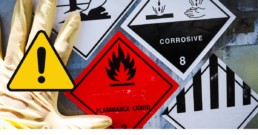
The dangers of hazardous waste and how to do it safely
Introduction
Hazardous wastes are those which are dangerous and difficult to handle. If your business produces hazardous waste you have a duty of care to make sure it is disposed of properly.
Proper disposal of hazardous waste is crucial for the safety of people, animals, and the environment. Hazardous waste, if not handled correctly, can lead to severe health risks, contamination of soil and water, and dangerous chemical reactions. This document provides an in-depth understanding of the dangers associated with hazardous waste and offers guidelines on how to dispose of it safely.
The Dangers of Hazardous Waste
Hazardous waste encompasses many materials that pose significant risks due to their chemical composition, flammability, reactivity, or toxicity. Below are some of the primary dangers associated with hazardous waste:
Health Risks
- Exposure to Toxic Substances: Direct contact with hazardous waste can result in skin burns, respiratory problems, and poisoning. Many hazardous materials can be absorbed through the skin or inhaled, leading to serious health issues.
- Long-term Health Effects: Repeated exposure to certain hazardous materials, such as asbestos or heavy metals, can lead to chronic illnesses, including cancer, neurological disorders, and reproductive issues.
Environmental Impact
- Soil and Water Contamination: Hazardous waste can seep into the soil and groundwater, contaminating drinking water sources and agricultural land. This contamination can persist for years, affecting ecosystems and human health.
- Air Pollution: Improper disposal methods, such as incineration without appropriate controls, can release toxic fumes and particles into the air, contributing to air pollution and respiratory ailments.
Fire and Explosion Hazards
- Flammable Materials: Certain hazardous wastes, such as solvents and chemicals, are highly flammable and can easily ignite, causing fires and explosions that put lives and property at risk.
- Reactive Substances: Some hazardous materials can react violently with other substances, leading to dangerous situations that can result in explosions or release toxic gases.
How to Dispose of Hazardous Waste Safely
Safe disposal of hazardous waste requires adherence to specific regulations and best practices. Below are the key steps to ensure the safe handling and disposal of hazardous materials in commercial settings:
Identify Hazardous Waste
Properly identifying hazardous waste is the first step in ensuring its safe disposal. This involves:
- Labeling and Segregation: Label all hazardous materials and segregate them from non-hazardous waste. This helps prevent accidental mixing and ensures that each type of waste is handled appropriately.
- Understand hazardous materials, their properties, risks, and safe handling procedures.
- Further guidance for workplace health and safety can be found at The Health and Safety Executive (HSE).
Use of Appropriate Containers
The containers used for storing and transporting hazardous waste must be suitable for the specific type of waste, following all relevant regulations for proper storage and disposal. Key considerations include:
- Durability: Use durable containers that are resistant to the chemicals they will hold. This prevents leaks and spills.
- Sealing: Ensure containers are properly sealed and labelled to prevent the release of hazardous substances.
Compliance with Regulations
Adherence to regulations is essential for the safe disposal of hazardous waste:
- These regulations apply to those who produce, broker/deal, carry and receive hazardous waste to keep, treat or dispose of. Hazardous waste must be accompanied by correctly completed paperwork called a consignment note, or hazardous waste consignment note (HWCN). The note must be prepared before any hazardous waste is moved and is required for all movements of hazardous waste.
- Record-Keeping: Maintain accurate records of the types and quantities of hazardous waste generated, as well as the disposal methods used. These ensure the traceability of the waste from origin to disposal.
Training and Education
Educating employees about the dangers of hazardous waste and proper disposal methods is crucial for maintaining a safe work environment. Training programs should cover:
- Hazard Identification: Teach employees how to identify hazardous materials and understand their risks.
- Emergency Procedures: Train employees on emergency procedures in case of spills, leaks, or exposure to hazardous substances.
Working with Footprint Recycling
Working with a professional waste management company will ensure that hazardous waste is disposed of safely and in compliance with regulations. We have the expertise to handle hazardous waste safely and will ensure you have the right equipment for safely transporting, treating, and disposing of hazardous materials.
All businesses have a responsibility to dispose of hazardous waste safely. By understanding the dangers of hazardous waste and following best practices for its disposal, businesses can protect their employees, the public, and the environment. Proper identification, appropriate containers, regulatory compliance, professional waste management services, and employee training are all essential components of a comprehensive hazardous waste management strategy.
Call us on 01484 660770 or email our team if you'd like to find out more.

Christmas and New Year opening 2024

Another year of ISO excellence
Footprint is proud to announce that it has successfully maintained its ISO certifications: ISO 9001 for Quality Management and ISO 14001 for Environmental Management.
This achievement underscores our commitment to upholding the highest standards in both quality and environmental responsibility, which are essential for meeting the needs of our customers and partners.
Footprint's ongoing compliance with these internationally recognised standards demonstrates our dedication to operational excellence. ISO 9001 ensures that our quality management systems consistently meet client expectations, while ISO 14001 reflects our commitment to environmentally sustainable practices.
Robyn Brook, the Founder, stated: "We are incredibly proud to announce that we have successfully maintained our ISO certifications for another year. This achievement is significant as it reflects our ongoing commitment to quality and excellence, especially as our business expands.
Our current and future customers and partners can confidently rely on us, knowing we are dedicated to upholding rigorous standards. We are constantly reviewing our processes and seeking innovative ways to enhance our services and operations, ensuring that we meet and exceed expectations.
Maintaining these high standards requires a dedicated team, and this accomplishment results from an excellent team effort."

Is your business on target to reach net zero by 2050?
Helping you navigate and fund net zero
As the government focuses on reducing carbon emissions and greenhouse gases by 2050, there's been increasing talk about net zero, especially among smaller businesses.
Research shows that smaller businesses are a significant source of emissions in the UK, responsible for 50% of all business-driven emissions. While 57% of smaller businesses know the government's 2050 net zero target, 76% have yet to implement a strategy to reduce their emissions.
All businesses, regardless of size, have the opportunity to make a significant impact on sustainability and lower carbon emissions. By taking proactive steps, they can contribute to a reduction of carbon emissions.
Operations
Enhancing premises with proper insulation, actively encouraging employees to embrace alternative transportation, fostering a culture of engagement, cutting down on waste, and minimising energy consumption are all vital steps toward a more sustainable and efficient workplace.
Products and services
Embracing sustainable practices by selecting products crafted from eco-friendly materials, adopting effective waste management strategies, and collaborating with trusted suppliers who prioritise sustainability.
Distribution
Choosing packaging created from recycled materials, adopting electric vehicles for transportation, and streamlining deliveries to reduce their frequency can significantly lower the environmental impact and promote a more sustainable future.
Embracing Net Zero
By committing to net zero, businesses stand to gain significantly from enhancing their reputation and reducing operational costs, safeguarding themselves against the volatility of energy supply fluctuations. Embracing this sustainable approach supports the environment and strengthens market position.
Footprint Recycling is here to assist you if you need help beginning your sustainability journey. We specialise in establishing a net zero baseline and crafting effective reduction strategies. Creating a robust net zero strategy requires thoroughly evaluating Scope 1, 2, and 3 emissions. Firstly, we need to assess your emissions:
Scope 1 Emissions
These are "direct emissions" that an organisation directly owns or controls. Examples include emissions from gas boilers, fuel generators, and company-owned vehicles that are not electrically powered.
Scope 2 Emissions
These emissions are classified as "indirect emissions" and arise from the consumption of purchased electricity, steam, heat, and cooling.
Scope 3 Emissions
This category includes all "other indirect emissions" not accounted for in Scope 2. These emissions are generated throughout the value or supply chain, encompassing upstream (customer-related) and downstream (supplier-related) emissions.
After we assess your current emissions, we will create a plan to reach net zero emissions within an agreed-upon time frame. We will also assist in sourcing any relevant grant schemes available to support businesses financially in achieving net zero. We will compare your emissions each year to show your progress in reducing them.
Benefits to your business
Reduced costs
Transform your business by significantly lowering utility bills through renewable energy sources. Investing in solar panels or transitioning to a green energy plan cuts costs and enhances your brand's commitment to sustainability. By carefully analysing energy usage, you can uncover additional savings opportunities. Moreover, switching to electric vehicles is a smart choice for businesses operating in low-emission zones of major cities, yielding both financial and environmental benefits. Adopting waste reduction practices, recycling efficiently, and striving for zero waste in landfills will minimise expenses and position your business as a leader in responsible practices. Embrace these changes for a more sustainable and cost-effective future!
Business Reputation
Embracing carbon-neutral practices can significantly elevate your business's reputation. According to research by the Carbon Trust customers increasingly seek companies that prioritise ethical decision-making. By engaging in carbon offsetting, sourcing materials locally, reducing transportation emissions, and minimising landfill waste, small businesses can contribute to a healthier planet and attract a loyal customer base that values sustainability.
Attracting investment
Investors and shareholders looking for companies with a sustainable long-term strategy may find a net zero business attractive.
Security and resilience
Pursuing net zero is not just an environmental goal; it's a smart strategy for strengthening your business against market fluctuations and national disruptions. For instance, adopting electric vehicles can help companies to avoid rising fuel costs. Likewise, switching to alternative energy sources like solar or wind can protect you from unpredictable spikes in energy costs, ensuring your business remains stable and competitive.
Competitive edge
Recognising and reducing your carbon footprint can set your business apart. As customer preferences shift, many consumers now prioritise business sustainability, scrutinising everything from product packaging to reduction in carbon emissions. Embracing eco-friendly practices attracts these conscientious shoppers and elevates your brand's reputation.
If you want to chat or need help achieving your net zero goals, get in touch.
RESOURCES
Funding and grants for carbon net zero
Finding funding for carbon net zero projects can be challenging. However, there are various pots of funding and support available throughout the country. Many local councils offer some kind of net zero grant programmes, so it's worth checking in your local area. It's also worth checking Crown Commercial Gov - grants and funding opportunities from across the government.
Funding opportunities can also be found through government funding programmes.
Net Zero Strategy: Build Back Greener
This strategy sets out policies and proposals for decarbonising all sectors of the UK economy to meet our net zero target by 2050.
Parliament Research Briefing
The UK is committed to reaching net zero by 2050. This briefing provides an overview of the background context for net zero, the plans in place to reach this goal, and current progress.
Deloitee - The Sustainable Consumer 2023
Adoption of more sustainable lifestyles continues to grow, but sustainable choices need to be made more affordable and widely accessible for consumers to contribute to the net zero transition.
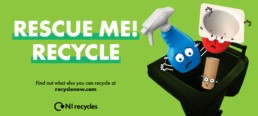
Recycle Week 2024 - Rescue me! Recycle
It's Recycle Week (14-20 October), and this year, we're celebrating and highlighting items that can be recycled.
Recycle Week is the UK's biggest celebration of recycling, and for Recycle Week 2024, Footprint is joining an urgent crusade to save five packaging items from being thrown away and to keep them out of the bin by living a circular life through recycling.
The latest research from Recycle Now shows that while we are a nation of recyclers - nine out of ten people regularly recycle - nearly eight out of ten of us (79%) put one or more items into the bin that can be recycled.
We are supporting the 'Rescue Me – Recycle' campaign to raise awareness about the five types of packaging that need recycling: aerosols, trigger spray bottles, plastic pots, perfume bottles, and toilet roll tubes.
Recycling is essential to reducing the environmental impact of our purchases. By keeping these materials in circulation, we can lower emissions. While most people recycle, we need to ensure that everyone recycles everything they can, including every aerosol, trigger spray bottle, plastic pot, perfume bottle, and toilet roll tube. Rescue, recycle!
To learn more about the recycling process, visit Recycle Now. To find out what can be recycled in your area, enter your postcode into the Recycling Locator for instant information on recycling anywhere in the UK.
If you're a business looking to make a meaningful impact, join us in our 'Rescue Me – Recycle' campaign! Together, we can turn waste into sustainable solutions for our planet. Your contributions matter whether you're a small startup or an established business. Feel free to reach out if you want to learn how your business can play a pivotal role in this initiative. Let's collaborate for a greener future, drop us a line clare@footprint-recycling.com.
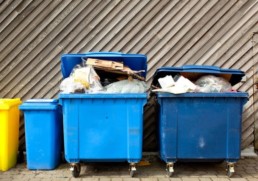
INTRODUCING THE NEW 2025 MANDATORY WASTE LEGISLATION IN ENGLAND
In October 2023, the UK Government introduced new Simpler Recycling legislation as part of the Environment Act 2021 to improve waste collection and recycling in England.
The new legislation aims to clarify what materials can be recycled, standardise recycling practices at home, work, and school, reduce landfill waste, tackle illegal waste disposal, and increase recycling rates.
As part of the Simpler Recycling legislation, delivery timelines have been set:
- 31 March 2025 - Non-households
Businesses (more than ten employees) need to separate dry recyclables and food waste. - 31 March 2026 - Households
Local authorities must collect all dry recyclable materials and separate weekly food waste collections (which can be combined with garden waste) - 31st March 2027 - Households and non-households
Inclusion of plastic film packaging and plastic bags in the plastic waste stream - 31st March 2027 - Micro-businesses
Businesses with fewer than ten employees must recycle all specified waste streams.
From the end of March 2025
Businesses with ten or more employees must separate dry recyclables into specific containers and arrange food collection separately.
What does this mean for your business?
All mixed recycling, including cardboard, plastics, glass, and metal, should be carefully separated and disposed of in accordance with the new guidelines to ensure that each material is recycled appropriately and to minimise environmental impact.
If a business produces more than 5kg of food waste per week, it must arrange a separate collection by licensed waste carriers. This includes biodegradable materials from processing or preparing food, such as inedible parts like bones, eggshells, fruit and vegetable skins, tea bags, and coffee grounds. The new legislation excludes micro-businesses (businesses with fewer than ten full-time equivalent employees).
According to the official government response, food waste collected must undergo anaerobic digestion treatment. This process generates biofuel, which can be used for energy, while digestate is a nutrient-rich substance produced by anaerobic digestion that can be used as a fertiliser, helping to form a circular economy.
To comply with the new legislation, your business must implement the new waste requirements, including storage and collection processes, by 31 March 2025. Businesses that fail to comply with the new regulations will face fines, enforcement actions, and potentially prosecution.
Compliance ensures that your business will avoid financial penalties, demonstrate corporate responsibility, and improve sustainability credentials. It’s also an opportunity to review your services and save costs.
How can Footprint Recycling help?
- Footprint Recycling will conduct a thorough waste audit, evaluating your current processes, staff awareness, equipment, sustainability, waste streams, volumes, service frequency, bin types, and costs.
- We will ensure compliance with new regulations and identify the best solutions for your business. We will help establish suitable systems to maintain compliance and prevent business disruptions.
- Our team will provide training to ensure employees understand the importance of new practices and know how to separate food waste correctly.
- We will provide food waste collection services and arrange appropriate collection schedules.
- We can assist you in achieving significant cost savings by reducing general waste volume and the associated costs of waste removal and recycling.
- We will generate reports that showcase your sustainability efforts, demonstrating your dedication to reducing environmental impact.
- We will support your efforts to comply with regulations, enhance your company’s brand reputation, particularly among environmentally conscious consumers and investors, and explore partnerships with local charities to donate surplus food.
By embracing these innovations, businesses can comply with regulations and turn food waste management into a competitive advantage.
Get in touch to discuss your requirements.
Footprint Recycling completes the prestigious Goldman Sachs 10KSB Programme
Footprint Recycling is delighted to announce its completion of the prestigious Goldman Sachs 10,000 Small Businesses UK Programme.
The programme, in conjunction with Oxford Said and Aston Business Schools and a team of cohort facilitators, including growth experts, is designed to empower business entrepreneurs with practical skills, tools, and resources to grow and create jobs within their communities.
Footprint enrolled in the programme last summer and, along with 71 other business owners, was selected to join the February 2024 cohort.
Run over 14 weeks, the programme offers an in-depth curriculum of tutoring and mentorship covering:
Business Education
- Financial management, marketing, and operations.
- Practical, hands-on learning experiences and networking opportunities.
Support Services:
- Tailored business advising and coaching from experienced professionals.
- Access to a network of support services, including legal, financial, and marketing advice.
- Ongoing alumni services for continued growth.
Access to Capital:
- Guidance on navigating the financing landscape and connecting with lenders and investors.
- Education on presenting businesses to financial institutions.
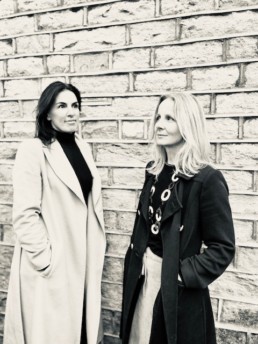
Clare Verity, COO and Co-founder, commented, “We were thrilled to be selected for the programme. We have ambitious growth plans for the future, so the opportunity came at the right time.
We had heard great things about how it helped businesses (up to £10m) successfully scale the next growth phase. The course is highly intensive and requires a lot of focused attention, so Robyn Brook, Co-founder and CEO, took a step back from the day-to-day business to participate.
There are always opportunities to learn from, no matter how long or established we are as a business. It would be naive of us not to constantly strive to develop and build on our existing skill set as business owners. Ultimately, participating in the Goldman Sachs 10KSB Programme is not only beneficial for us but also for our customers and the ongoing value we create for them. “
Hear what Robyn Brook, CEO and Co-founder has to say about the 10KSB Program, its insights, and how it has helped to shape the business.


We are officially carbon neutral!
We're thrilled to announce that we have officially become carbon neutral
Over the past few months, we have collaborated on a comprehensive plan to measure, reduce, and offset our collective carbon footprint.
At Footprint Recycling, our commitment to the environment has always been at the forefront of our actions as individuals and as a business. Whilst we have always worked towards keeping our emissions low, with our new carbon-neutral status (scope 1 & 2), we are now actively supporting carbon-reducing projects and have conducted a thorough analysis of our emissions.
By calculating our carbon output, we have reduced our emissions by implementing various measures in our business. These include switching to electric cars, reducing and recycling, and evaluating our energy consumption and efficiency.
We have successfully offset our emissions by supporting a certified project in Malawi, which is verified by the world's leading carbon offset standards, VCS and Gold Standard. This ensures projects have minimal permanence risks and incur positive social, economic and environmental impacts where relevant. This project also aligns with the UN Sustainable Development Goals of:
- No poverty
- Decent work and economic growth
- Responsible consumption and production
- Climate action.
Our chosen project, cleaner cookstoves, replaces traditional cooking equipment, which typically consists of open flame fed by wood has many benefits by providing more efficient cooking equipment. Cleaner cookstoves typically:
- Reduce the energy consumption for cooking, reducing carbon emissions
- Reduce the consumption of firewood/cooking fuel
- Saves time due to less time spent collecting fuel, more efficient and quicker cooking process
- Reduces deforestation
- Has the potential to save families valuable household income
- Provides improved indoor health - less exposure to smoke and improved indoor air quality.
Our vision is to achieve net-zero emissions and go beyond carbon neutrality. This ambitious goal will require us to make significant and lasting changes to our procurement and supply chain, and we are excited about the journey ahead.
If you need support or advice about carbon neutrality and reducing carbon emissions. Get in touch.
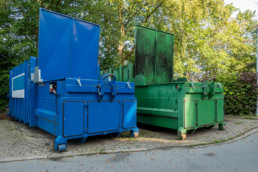
Starting from 6th April 2024, new regulations will be introduced in Wales that will require all non-domestic premises, such as businesses, charities, public sectors, and those who collect, keep, treat, or transport waste from non-domestic premises, to separate key recyclable materials.
Non-domestic premises must separate and present nine specified recyclable waste materials in a minimum of six separate recyclable waste streams. These materials are:
- glass
- cartons and similar, metal and plastic
- paper and card
- food waste from premises that produce 5 kilograms or more of food waste in seven consecutive days
- unsold small waste electrical and electronic equipment
- unsold textiles
Bans will also be in place from 6th April 2024, on the disposal of food waste to sewer from non-domestic premises, specified separate recyclable waste streams going to incineration plants and landfills, and all wood waste going to landfill.
These changes to the law aim to help the country work towards becoming a zero-waste nation and reducing carbon emissions by 2050. Separating and sorting recycling in workplaces should ensure greater volumes of high-quality recycling are produced and much less waste sent to landfill and for incineration.
Failure to comply with the separation requirements will be considered an offence, and there will be no upper limit on the courts' power to fine. Instead of criminal prosecution, a civil sanction may be issued for non-compliance with the separation requirements.
While we have a legal responsibility under the Environmental Protection Act 1990 'duty of care', should England adopt these more stringent regulations regarding separation of recyclable waste in order to achieve a greener future and promote sustainability? Many organisations in England currently do not have a waste strategy in place and do not separate recyclable waste from non-recyclable. However, commercial recycling plays a crucial role in ensuring sustainability. It is important for businesses to actively participate in these efforts.
For more detailed information about the Waste Separation Requirements (Wales) Regulations 2023, please refer to the Welsh Government code of practice. If you're a business and are looking to adopt a waste and recycling strategy get in touch.